
Blog
Doors for New Construction in Ghana: Architect’s Complete Checklist

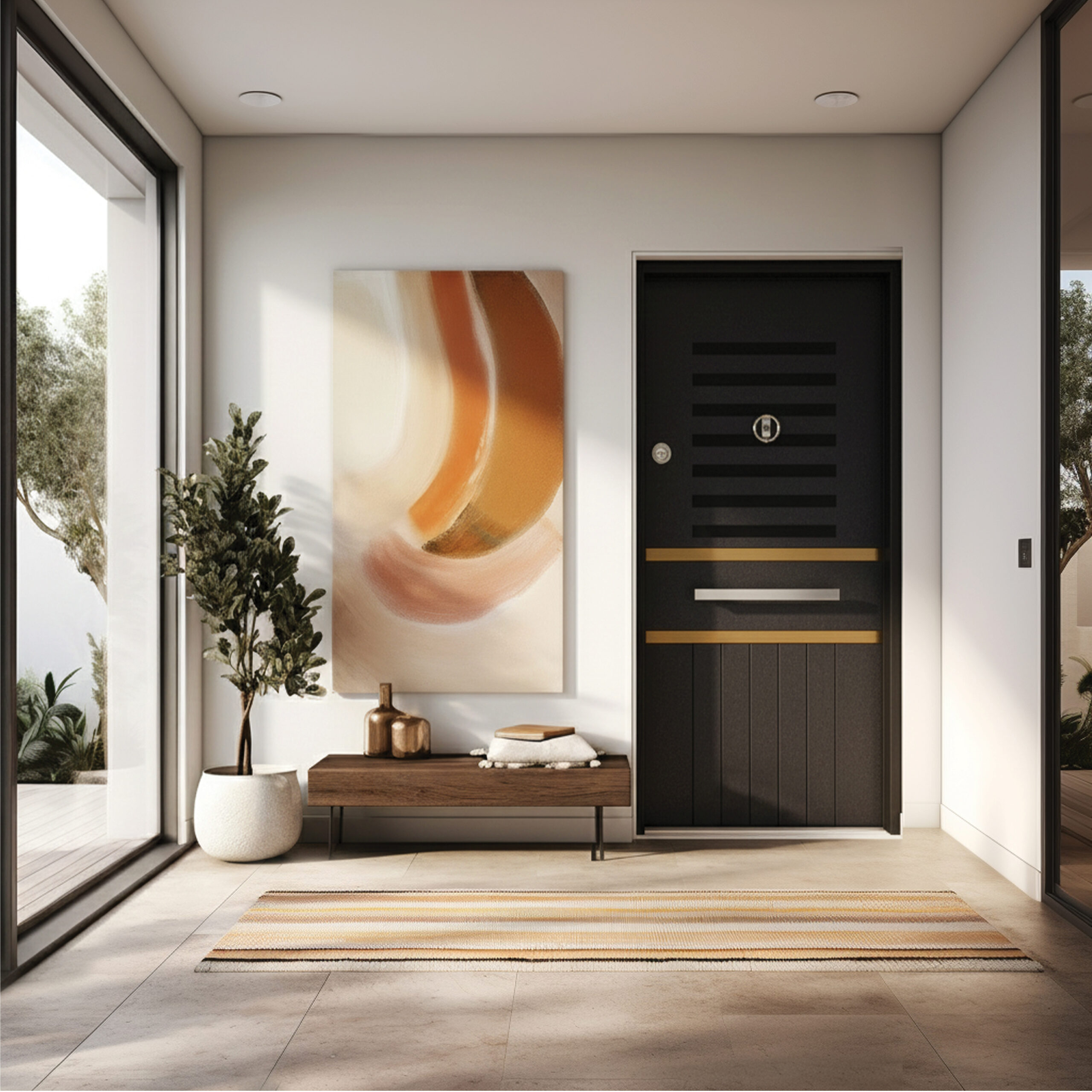
Doors for new construction in Ghana are too often treated as a late-stage decision. By the time the plastering crew is done and the flooring contractor is on site, the project manager is asking why the frames do not fit the openings. Sandcrete blockwork in Ghana carries tolerances of up to ±12mm. Coastal humidity in Tema and Spintex runs between 70% and 90%.
Security requirements differ between a gated estate in East Legon and a mid-rise in Lapaz. These are not surprises. They are knowable from day one, and your door specifications should reflect that from the schematic stage.
This checklist covers every phase, from planning through handover.
Phase 1: Build Your Door Schedule at Schematic Design
Doors for new construction in Ghana need a schedule before you need a contractor. Start with a count by door type: main entrance, back or service door, bedrooms, bathrooms, utility rooms, and fire-rated corridors for any apartment block or commercial floor.
Then assign a security tier to each zone:
- High risk (Lapaz, Adenta, parts of Kasoa): 16-gauge reinforced steel minimum
- Medium risk (Spintex, Tema suburbs): composite or heavy-gauge PVC
- Low risk (gated East Legon, Trasacco Valley): engineered veneer or high-gloss panels
Your door schedule template should record: location, rough opening size, door type, material, hardware set, and fire rating. This document drives your BOQ and your supplier conversation.
Phase 2: Nail Down Dimensions and Materials Early
Standard residential door sizes in Ghana:
| Door Type | Width x Height |
| Main Entrance | 1050 x 2150mm |
| Bedroom | 900 x 2100mm |
| Bathroom | 700 x 2000mm |
Rough openings on sandcrete should account for ±12mm width and height variation, with plumb tolerance of ±10mm. Your jamb depth must match your wall build-up. A 150mm sandcrete block with plaster on both sides needs a 150mm jamb. Specify this in your BOQ or expect variation claims.
Material selection depends on location and exposure:
| Location | Recommended | Budget Alternative |
| Main Entrance | Reinforced steel or composite | Heavy timber |
| Back Door | Galvanised steel | PVC-clad |
| Bedrooms | Veneered engineered | Flush timber |
| Bathrooms | PVC or uPVC | Laminated core |
| Commercial | Stainless or anti-rust steel | Powder-coated steel |
For any project within 500 metres of the coast, specify marine-grade galvanised hardware across all door types. Salt air corrodes standard hinges within 18 months.
Phase 3: Coordinate with Other Trades Before Plastering
Frame installation is a coordination point, not an afterthought. Fix frames after the DPC is laid and before plastering begins. This sequence protects against plaster buildup inside the jamb rebate and ensures your thresholds align with finished floor levels to within ±3mm.
Coordination checklist:
- Civil: Verify rough openings one week before frame delivery
- Electrical: Pre-install conduits inside jambs for smart lock wiring
- Painting: Prime all frames before hanging any door leaf
- Flooring: Confirm threshold heights match finished floor specification
Use temporary timber bucks during blockwork to hold opening dimensions through wet trades. Remove them only when plastering is complete.
Phase 4: Delivery, Installation, and Quality Sign-Off
Order doors on a just-in-time basis, timed to arrive after plastering is complete. On-site storage longer than two weeks exposes doors to UV damage and moisture. During the rainy season, UV-rated tarps and sealed storage are non-negotiable.
Quality control on installation:
- Laser-level every frame across its full height
- Complete a 50-cycle open and close test on each door
- Document torque settings on all hardware
- Issue a snagging list before client handoff
Why Local Manufacturing Changes the Timeline
Imported doors carry 8 to 12 week lead times. Projects change. Sizes get revised. A local manufacturer can turn around a revised specification in 2 to 3 weeks and deliver shop drawings or BIM-compatible files to match your project documentation. Doors Locks and More handles full estate packages, from 20-unit townhouse blocks to 100-unit residential developments, with dedicated project management and 5-year structural warranties.
Key Takeaways
- Start your door schedule at schematic design, not after blockwork
- Standardise 80% of door types; customise only where security or aesthetics require it
- Fix frames post-DPC, pre-plaster, and coordinate with electrical and flooring trades
- Specify galvanised hardware for all coastal projects within 500 metres of the sea
- Use a local manufacturer to protect your programme and your BOQ
5 FAQs for Architects and Developers
What are standard door sizes for new construction in Ghana?
Main entrances are 2150 x 1050mm, bedrooms 2100 x 900mm, and bathrooms 2000 x 700mm.
How much tolerance should I allow for rough openings?
Specify ±12mm on width and height, with plumb tolerance of ±10mm for sandcrete construction.
What security specifications apply to new residential builds?
NBCI guidelines recommend 3-point locking systems and 16-gauge steel minimum for main entrance doors in urban and peri-urban areas.
When should doors be ordered relative to the build programme?
Order 2 to 3 weeks before plastering completion. The time frame for installation is immediately after the DPC and before plaster is applied.
Can one supplier cover an entire estate door package?
Yes. Doors Locks and More supplies, installs, and provides BIM files and maintenance schedules for full estate packages across Accra, Tema, Kumasi, and Kasoa.
Ready to take the guesswork out of your door specification? Contact Doors Locks and More to request a free door schedule template, BIM-compatible files, and a technical consultation for your next project, where Every Door Opens a New Standard.


