
Blog
Property Developer’s Guide: Bulk Door Supply in Ghana

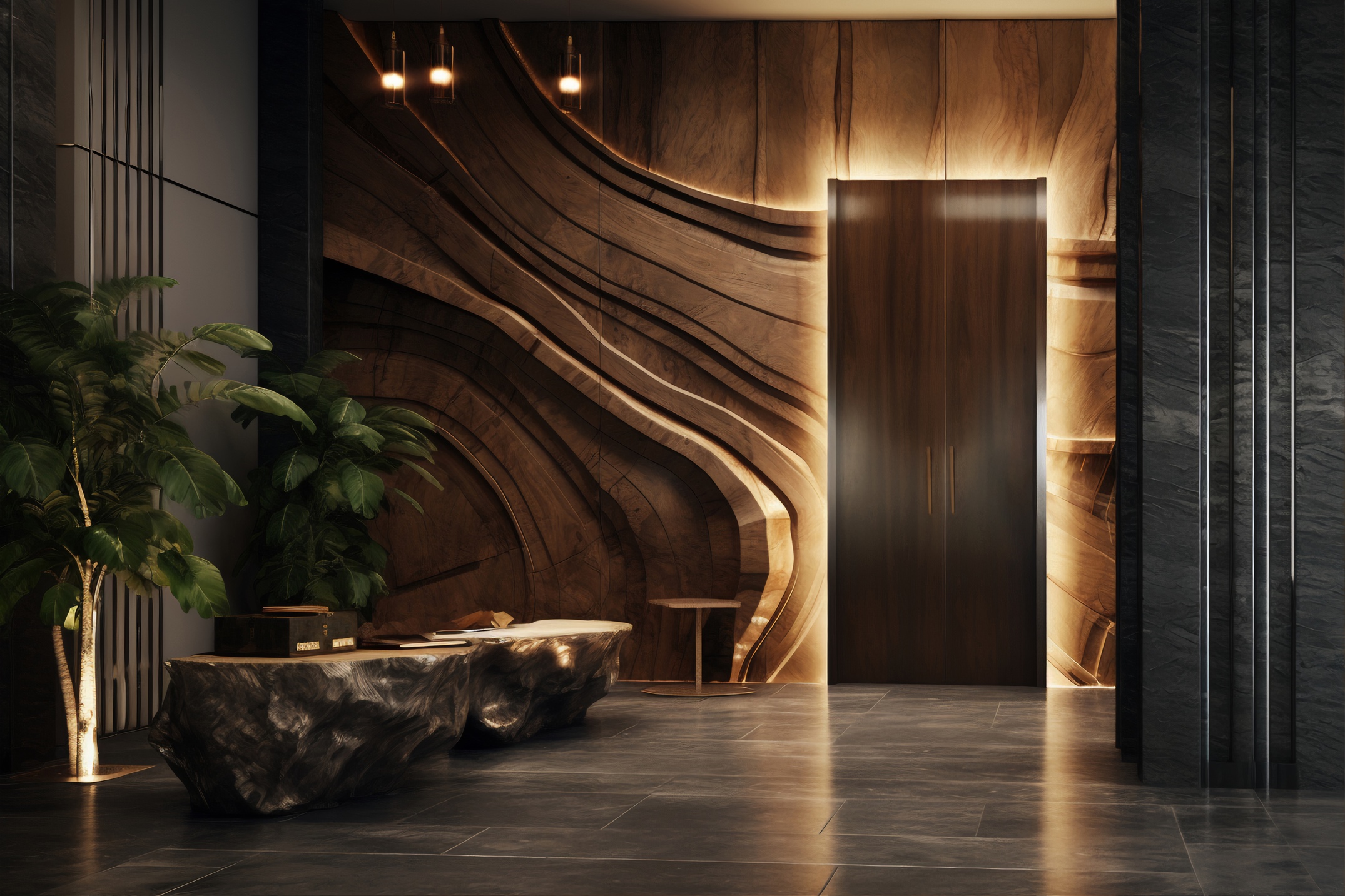
The Doors Locks and More Design and Projects Team, based in Community 23, Ghana, has extensive experience supporting property developers. Our portfolio includes multi-unit door supply and installation projects across Accra, Tema, Kumasi, and Takoradi, successfully completing work on developments ranging from 20 to over 150 units.
If you’ve managed a residential estate of 30, 50, or 100 units in Accra, Tema, or Kumasi, you’re familiar with this scenario. Everything appears to be on track: the blocks are plastered, and the tiling has begun. Then, a check of the door delivery reveals the frames are the wrong size, three separate batches have inconsistent finishes, and the main entrance doors are frustratingly stalled on a container ship somewhere offshore.
Many estate developers in Ghana are unexpectedly hampered by the bulk supply of doors, not due to sourcing difficulties, but poor planning. This guide offers a solution to mitigate this risk, preventing it from escalating into a site emergency.
Why Doors Break Project Timelines
Doors are not just another finish item. They affect site security during construction, handover dates, buyer satisfaction, and long-term maintenance costs. When procurement is scattered across multiple importers, carpenters, and hardware shops, the problems are predictable:
Inconsistent quality across blocks, frame sizes that do not match Ghana sandcrete block tolerances, delayed deliveries that hold up painting, tiling, and landscaping, no single point of accountability when something goes wrong, and warranty disputes between the door supplier and the installer
Treating doors for property developers as a last-minute line item is one of the most expensive mistakes on a multi-unit project. The fix starts before a single block is laid.
Step 1: Start With a Door Schedule, Not a Price List
Before you ask anyone for pricing, build a door schedule. This is a simple per-unit spreadsheet listing every door location, the required opening size, door type, material, hardware set, and any security specification.
A basic door schedule for a 3-bedroom unit typically covers:
Main entrance: composite or Laminox security door, double or one-and-a-half leaf, heavy-duty multipoint lock. Back or service door: metal door, single leaf, deadbolt and lever handle. Bedroom doors (3): natural embossed or high-gloss internal doors, standard leaf. Bathrooms (2): PVC moisture-resistant doors, simple lever hardware
With a complete door schedule in place, your manufacturer can confirm exact counts, reduce unnecessary size variation across units, plan production in batches, and give you a stable bulk price. Without it, you are buying blind.
Step 2: Choose the Right Door Mix for Your Estate
Wholesale doors for a development in East Legon Hills serve a different buyer than doors for an affordable estate in Kasoa. The specification needs to reflect where the project is, who is buying, and what conditions the doors will face.
| Door Type | Best Application | Budget Level |
| Luxury doors | High-spec residential, show units | Premium |
| Composite doors | Mid-to-high estates, main entrances | Mid to premium |
| Laminox doors | Coastal and high-performance applications | Mid to premium |
| PVC doors | Bathrooms, service areas, basic interiors | Cost-accessible |
| Metal doors | Commercial blocks, back doors, security zones | Mid |
| Natural embossed | Internal doors, bedroom and living areas | Mid |
| High-gloss doors | Contemporary interiors feature entrances | Mid to premium |
| Door-in-door systems | Space-constrained zones, urban apartments | Mid to premium |
For high-spec developments in East Legon, Airport Residential, or Cantonments, luxury composite, Laminox, or high-gloss doors with smart-lock-ready hardware set the right tone. Buyers in those markets pay for distinction. The entrance communicates value before they step inside.
For mid-market estates in Kasoa, Pokuase, Oyarifa, or Kumasi suburbs, composite security doors at entrances with durable embossed internal doors hit the right balance. Strong where it matters, cost-effective where it counts.
For coastal projects in Tema, Spintex, Sakumono, or Takoradi, anti-rust hardware and weather-resistant finishes on every external door are not optional. Salt air and coastal humidity degrade standard materials faster than most developers account for in their five-year maintenance budgets.
See the full range of door categories on our products page.
Step 3: Local Manufacturing vs Importing in Bulk
Many developers still split orders between a container importer, a local fabricator, and a carpenter for internal doors. On paper, this looks like cost control. In practice, it creates coordination gaps, inconsistent aesthetics across units, and no single party is accountable when something fails.
Imports: The Real Cost
Dollar-denominated pricing exposes you to currency movement between order and delivery. Minimum order quantities often force you to overorder. Damaged or off-spec items take weeks or months to resolve. Standard catalogue sizes rarely match Ghana block tolerances precisely. No local installation support or snagging resolution
Local Manufacturing: The Developer Advantage
Custom sizing built around your specific block dimensions. Consistent finishes across every unit in a development. Phased delivery timed to your construction schedule. Stable cedi-based pricing from sign-off through delivery. One contact for production updates, quality issues, and after-sales
The argument for container imports used to be price. With current exchange rate volatility and the logistics complexity of getting doors from a port to a site in Spintex or Kasoa on schedule, that advantage is shrinking for most project types.
Step 4: Phase Your Deliveries to Protect the Doors
Bulk door supply in Ghana works best when it is phased, not delivered all at once. Doors stored on an active construction site get damaged, misplaced, or used as temporary barricades. A phased plan protects your investment and keeps the site moving.
A workable phasing model for a 60-unit estate:
Phase 1 (weeks 1 to 2 of fit-out):
Deliver doors for the show unit and the first completed block. These establish the quality standard for buyers and your project team.
Phase 2 (synced to plastering and tiling):
Deliver external doors for the next two blocks. Fit frames before tiling completes. Hang doors after tiling and painting are done.
Phase 3 (rolling delivery):
Continue delivering per block as construction finishes, keeping storage volumes low and door condition intact.
Coordinate this schedule with your contractor and your door supplier from the start. A manufacturer with project management experience will help you build the phasing into the production plan.
Step 5: Build Installation Into the Package
Professional installation should not be a separate contract on a bulk order. A door manufactured to specification but installed poorly will fail the security test, warp in the frame, or generate buyer complaints before the first rains.
An integrated supply-and-install package means:
Consistent fitting across every unit with trained teams. Frame anchoring is done correctly for security and structural performance. Structured snagging protocols before handover. One party is accountable for production, fitting, and any post-handover adjustments
On a 40 to 80-unit development, inconsistent installation across units is one of the most common sources of punch list delays. Fixing it is expensive. Preventing it is straightforward.
Project Scenarios: Bulk Door Supply Done Right
A 40-unit gated community in East Legon Hills used composite security doors at all main entrances and natural embossed doors throughout interiors. By engaging one local manufacturer early, the developer locked in consistent finishes across all units and phased deliveries to match the block-by-block completion schedule. No storage damage. No mismatched aesthetics. Handover ran on time.
A 60-unit coastal estate in Tema specified Laminox and composite external doors with anti-rust hardware on every unit. The developer had previously used imported steel doors on a similar project and dealt with visible corrosion within 18 months. The switch to weather-resistant local manufacture extended the expected door lifespan and reduced projected maintenance costs significantly.
A 30-unit apartment block in Kasoa ran into early trouble sourcing doors from three different suppliers. Sizes varied, finishes clashed, and one supplier delivered two weeks late. Midway through the project, the developer consolidated remaining units through a single local manufacturer with a clear project door schedule. The second half of the project ran with fewer snags and a more consistent finish than the first.
Managing Quality Across a Large Development
Quality control on bulk orders requires structure, not just trust. Practical steps that protect consistency:
Approve one or two mock-up doors for each type before full production begins. Agree on a standard finish and colour palette across all blocks to prevent a patchwork aesthetic. Use a delivery and installation checklist at the site level for every batch. Photograph installed doors per unit during snagging
An in-house manufacturer with an integrated installation team is significantly easier to hold accountable than three separate suppliers and a subcontracted carpenter.
Key Takeaways
Start with a door schedule before requesting any pricing. Match your door specification to buyer profile, location, and coastal exposure. Local manufacturing reduces currency risk, sizing mismatches, and lead-time uncertainty. Phased deliveries protect your doors and your site schedule. Integrating installation into your bulk supply package removes the most common source of handover snags
FAQs
How do I plan a bulk door supply in Ghana for a new estate?
Build a door schedule with your architect early, specifying door type, size, material, and hardware per location. Then, brief a local manufacturer who can produce and phase deliveries to match your construction timeline.
Is it better to import doors or buy from a local manufacturer for bulk projects?
Local manufacturing gives you custom sizing, faster lead times, stable pricing, and easier after-sales support. Imports introduce currency risk, minimum order complications, and longer resolution times if quality issues arise.
How long does bulk door production take in Ghana?
Lead times depend on specification complexity. Standard composite and PVC models move faster. Luxury, Laminox, or heavily customised doors require more production time. Engaging your supplier early, before groundworks are complete, is the safest approach.
Can one supplier handle both supply and installation for large developments?
Yes. An integrated manufacturer-installer deploys trained teams across a full estate, maintains consistent fitting standards, and manages snagging without the gaps that come from splitting supply and installation between two parties.
How can I reduce costs on a bulk door package without compromising security?
Allocate budget by exposure level. Spend more on external and main entrance doors where security and weather resistance matter most. Use durable mid-range options for internal bedroom doors. Specify PVC for bathrooms where moisture resistance is the priority.
Ready to plan your next bulk door package?
Doors Locks and More works with property developers across Ghana on door supply and installation for estates from 20 to 200-plus units. We cover design consultation, custom manufacturing, phased delivery, and professional installation under one project plan.
Book a project consultation with our team. We will review your door schedule, advise on the right product mix for your site and buyer profile, and put together a bulk door supply and installation proposal built around your timeline.
Visit doorslocksandmore.com or contact us directly to get started.


