
Blog
Metal vs Wooden Doors in Ghana: Pros, Cons and Best Use Cases

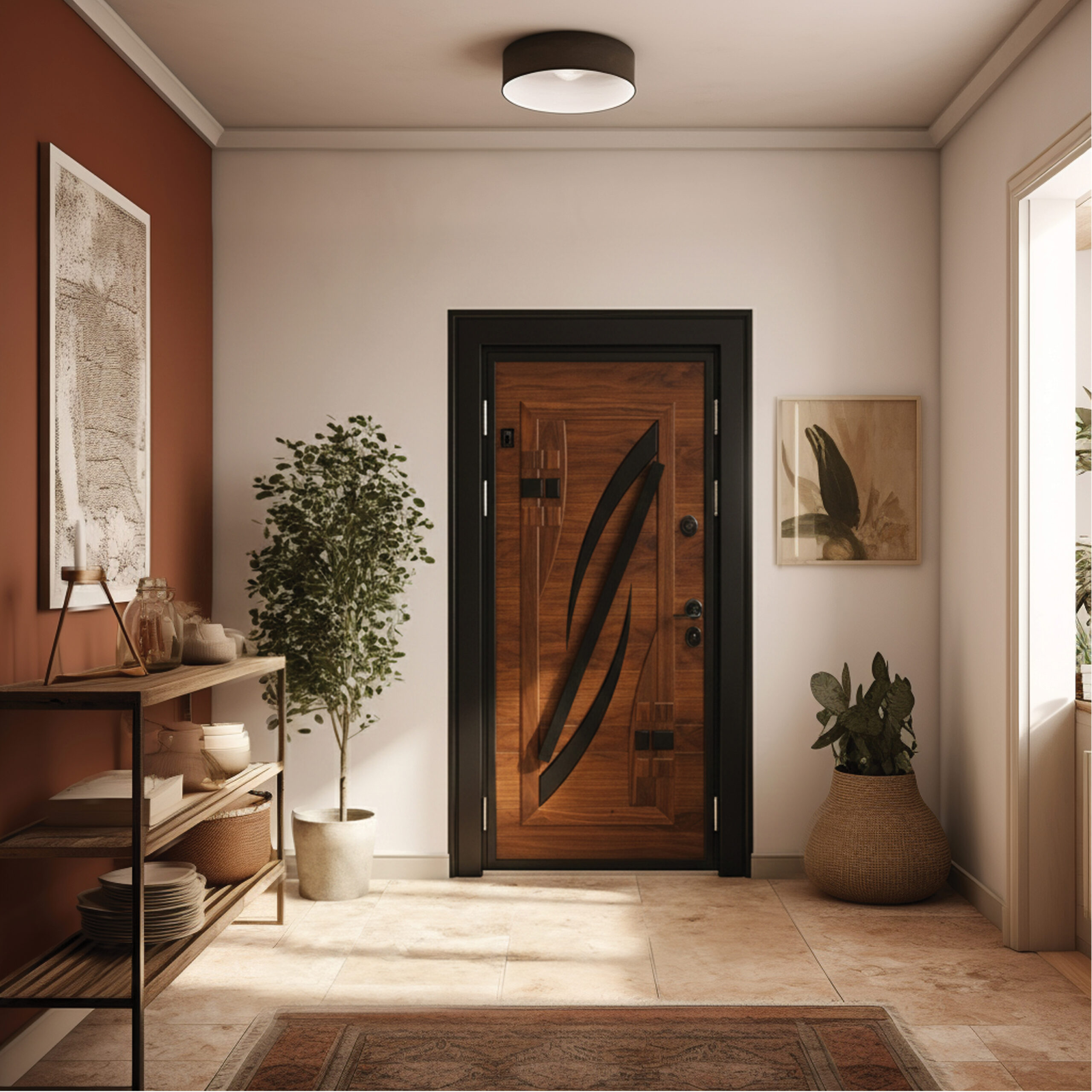
The debate around metal vs wooden doors in Ghana comes up on almost every build site in Accra, Tema, and Kumasi. A homeowner in Spintex recently told us she spent three weeks going back and forth on this exact question before breaking ground on her new self-contained. She wanted security. She also wanted warmth. The two felt like they were pulling in opposite directions.
They do not have to.
Both materials serve a purpose. The right choice comes down to where the door goes, what the climate does to it, and how much upkeep you are prepared to do. This guide breaks it down plainly.
Why Ghana’s Climate Changes Everything
Ghana’s coastal zones, Accra, Tema, Spintex, and Takoradi, sit at 70 to 90% humidity for most of the year. Salt air from the Atlantic accelerates corrosion. Inland areas like Kumasi face termites, dust, and intense heat cycles.
These conditions punish the wrong door choice fast. A poorly treated wooden exterior door in a coastal neighbourhood warps within two rainy seasons. A cheap metal door without proper anti-rust coating turns orange within a year at the waterfront.
Material matters. Finish matters more.
Metal Doors: Where They Win
Metal doors, typically steel or aluminium with powder-coated or galvanised finishes, are the right choice for high-exposure and high-risk positions.
They resist forced entry. A solid steel door with a multi-point locking system is far harder to breach than a standard wooden panel. In areas like Adenta, Kasoa, and Lapaz, where burglary rates have risen in recent years, that resistance is not a luxury.
They handle coastal air. A properly galvanised metal door in Tema or Spintex holds up where untreated wood fails. No warping. No swelling in the rains.
They are low-maintenance on the outside. A wipe-down and a hinge lubrication quarterly is largely what metal asks of you.
The honest trade-off: cheap metal rusts fast if the coating is thin or the installation leaves gaps for moisture. Metal also conducts heat, which matters in an open, sunny entrance with no porch cover. Opt for foam-core steel where insulation is a concern.
Best positions: Front doors, back entry doors, shop fronts, apartment block entrances, any exterior in a security-sensitive or coastal location.
Wooden Doors: Where They Win
Wood brings warmth that metal does not. A solid mahogany or veneer panel in a bedroom corridor or living room interior reads differently. It fits the aesthetic of a luxury villa in Airport Residential or a traditional compound in Kumasi in a way steel simply does not.
Wood also insulates better. It keeps indoor temperatures steadier and reduces outside noise, a real benefit in a busy Accra neighbourhood.
The honest trade-off: untreated wood and moisture are a bad combination. Termites are active in over 60% of peri-urban Ghanaian properties according to forestry data. Exterior wooden doors need sealed edges, quality paint, and annual maintenance to last. Without that, degradation is quick.
Best positions: Interior doors across all room types, exterior doors in sheltered or low-risk settings, feature entrance doors in gated estates with layered security.
The Smart Move for Most Ghana Homes
Most builds in Ghana benefit from a hybrid approach. Metal on the exterior, where exposure and security risk are highest. Wood, or a premium engineered finish like composite or natural embossed, on the interior, where aesthetics and comfort take priority.
A family in Adenta pairs a reinforced metal front door with warm composite internals. A coastal rental in Tema uses galvanised metal throughout for durability and low turnover costs. A luxury villa in Airport Residential features a statement entrance with a high-gloss or natural embossed finish, backed by a reinforced steel core.
Your Quick Decision Guide
- High security risk or coastal location: metal exterior, galvanised or powder-coated
- Interior rooms and corridors: wood, composite, or natural embossed finishes
- Rental property: metal priority, low-maintenance first
- Luxury or design-forward project: consider composite, high-gloss, or natural embossed options
The Right Door for Your Build
The metal vs wooden doors in Ghana does not have one universal answer. It has a site-specific one. The wrong choice costs you in repairs, security exposure, or resale value.
At Doors Locks and more, we manufacture locally in Community 23, Greater Accra, across eight product categories, including Metal, Composite, Natural Embossed, and High-Gloss. We match the door to the location, the climate, the security spec, and the design brief. Then we install it properly.
Book a design consultation with our team. Bring your drawings or just your questions. Where every door opens a new standard.
Frequently Asked Questions
Are metal doors better than wooden ones in Ghana?
For exterior and security-critical positions, yes. For interiors and aesthetic-focused builds, treated wood or engineered finishes are often the stronger choice. Most projects benefit from both.
Which lasts longer in humid conditions?
Properly galvanised metal lasts 10 to 20 years in coastal zones. Treated wood lasts 5 to 15 years with consistent maintenance. Metal wins on longevity in wet environments.
Can a wooden door be secure enough for a front entrance?
In gated estates with alarm systems and perimeter security, yes, when reinforced with a steel core. As a standalone front door in an exposed urban property, it needs additional support.
How do I stop a metal door from rusting in coastal Ghana?
Choose galvanised or powder-coated steel from the start. Inspect the coating annually. Touch up any scratches immediately. Avoid low-cost imports with thin surface treatments.
What is cheaper long-term, metal or wood?
Metal. Higher upfront cost, but lower maintenance spend over 10 years. Untreated wood’s repainting, sealing, and termite treatment costs accumulate faster than most buyers expect.


