
Blog
Composite vs PVC Doors in Ghana: Which Saves You Money Long-Term?

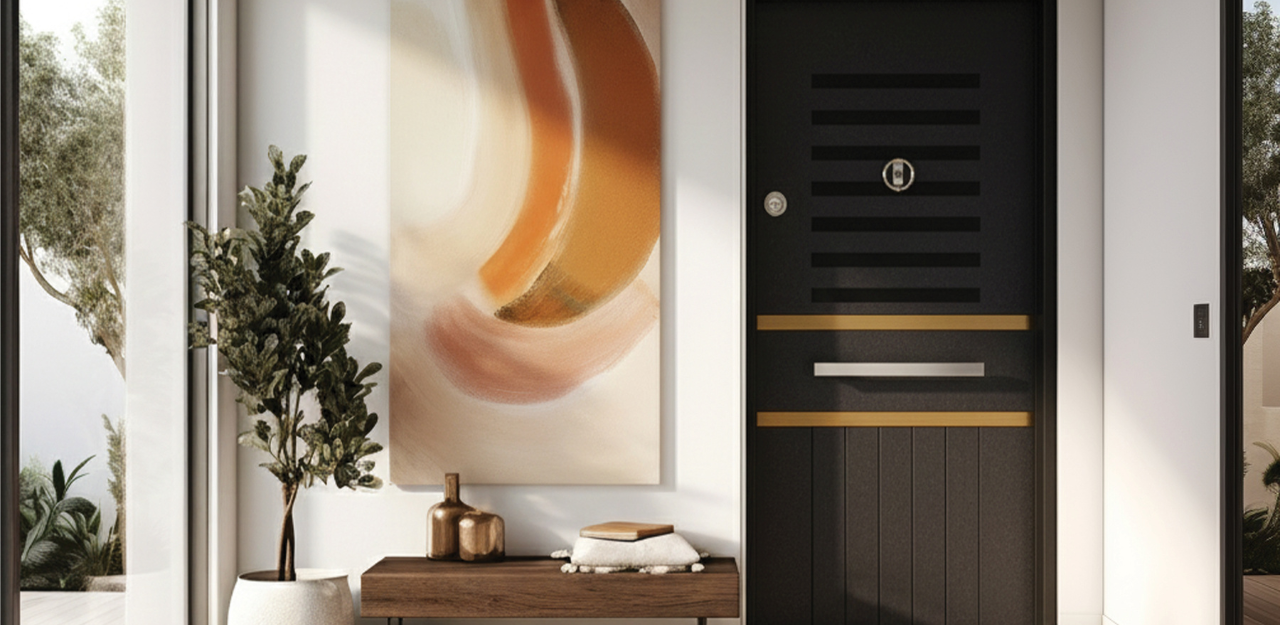
Composite vs PVC Doors in Ghana is one of the most common debates among Ghanaian homeowners planning new builds or renovations. You want a door that handles Accra’s humidity, resists coastal salt air, and still looks good five years from now without eating into your budget. The upfront price tags tell one story, but the real question is: which door type saves you more money over 5 to 10 years?
Let’s break down the differences in performance, durability, security, and lifetime cost so you know exactly where to spend your cedis.
What Are Composite vs PVC Doors?
Composite doors combine multiple engineered materials into a single, solid structure. The core is often high-density foam or timber framing, wrapped in glass-reinforced plastic skins and finished with wood-effect or painted surfaces. These doors are thicker, heavier, and built to resist warping in humid climates like Ghana’s. You see them as main entrances in East Legon homes, Tema townhouses, and mid-range apartment developments across Greater Accra.
PVC doors (also called uPVC doors) are made from rigid plastic profiles, sometimes reinforced with light metal inserts. They are lightweight, moisture-resistant, and popular for bathrooms, kitchens, and interior corridors. Developers in Kasoa and Spintex use PVC doors to keep costs down while avoiding the constant swelling and rot issues of traditional timber.
Both types offer advantages over old-style wooden doors, but they serve different purposes and price points.
Performance in Ghana’s Climate
Composite vs PVC Doors handle Ghana’s weather differently. Composite doors are engineered for stability. Their dense cores and rigid skins resist warping under Accra’s swings between dry harmattan and heavy rainy seasons. Coastal properties in Tema and Takoradi benefit from the composite’s ability to withstand salt air without corroding or losing shape. If your main entrance faces direct sun and rain, composite holds up better long-term.
PVC doors excel in wet areas. They do not absorb water, so bathrooms and kitchens stay free of mould and swelling. For interior spaces in Kumasi apartments or budget homes in Kasoa, PVC performs well. But cheaper PVC panels can discolour under intense sun, and thin profiles may feel flimsy when used as primary external doors in high-exposure locations.
Security and Strength
Composite doors win on security. Their heavier build and reinforced cores make them harder to kick in or force open. Pair a composite door with a multi-point locking system, and you have a front entrance that deters break-ins in high-traffic neighbourhoods like Dansoman or Madina. This matters for standalone homes and ground-floor apartments where your main door is the first line of defence.
PVC doors are lighter and less robust. They work fine for bathrooms, bedrooms, and low-risk internal positions, but you should not rely on standard PVC as your only barrier on a street-facing front door. If security is a priority, composite is the better investment.
Durability and Maintenance
Composite doors require minimal upkeep. Wipe them down periodically, check the hinges, and touch up any scratches on the finish. Properly installed composite doors last 20 to 30 years in Ghanaian conditions without major issues. You avoid the constant repainting and wood treatment that timber doors demand.
PVC doors are even lower maintenance in the right applications. They do not need painting, and cleaning is quick. But low-quality PVC can crack or fade after a few years of heavy sun exposure. If you use PVC for external doors in a budget estate, expect shorter lifespans and possible replacements within 5 to 7 years. Higher-grade PVC lasts longer but costs more upfront.
Cost Comparison: Upfront Price vs Lifetime Value
PVC doors cost less initially. For a landlord fitting out 10 bathroom doors in a Kasoa apartment block, PVC is the practical choice. You spend less per door and face fewer maintenance calls from tenants dealing with swollen timber.
Composite doors have higher purchase and installation costs. But for main entrances in Cantonments, Airport Residential, or Tema Community 25, that extra spend buys you better security, longer lifespan, and stronger curb appeal. Over 10 years, composite saves money because you replace it less often and avoid security compromises.
Lifetime cost includes purchase, installation, repairs, and replacement frequency. A composite front door costs more today but pays back through durability and fewer headaches. A PVC bathroom door costs less and performs its job well without expensive upkeep.
Where Each Door Type Makes Sense
Use composite doors for main entrances, back doors exposed to weather, and high-end apartment developments. They protect your home, boost property value, and handle Ghana’s climate without constant attention.
Use PVC doors for bathrooms, WCs, kitchens, and interior corridors in budget and mid-range properties. They resist moisture, clean easily, and keep costs down in rental units.
The smartest approach for many Ghanaian homes is mixing both: composite at the front, PVC for wet areas. This combination balances security, durability, and budget across your property.
Key Takeaways
Composite doors offer superior strength, security, and long-term stability for main entrances in Ghana’s climate. PVC doors provide affordable, low-maintenance solutions for bathrooms and interiors. Composite vs PVC Doors is not about one being better overall; it is about using each material where it performs best. Mixing both types strategically gives you the best value over 5 to 10 years.
Frequently Asked Questions
Are composite doors better than PVC doors in Ghana’s climate?
Composite doors handle exposed positions, humidity, and coastal air better, making them ideal for main entrances. PVC doors excel in wet internal areas like bathrooms.
Which is cheaper in the long run: composite or PVC doors?
PVC is cheaper upfront, but composite often costs less long-term for main external doors because it lasts longer and needs fewer replacements.
Can PVC doors be used as main entrance doors in Ghana?
Reinforced PVC exists, but standard PVC is better for low-risk or internal use. Composite provides stronger security for front entrances.
Are composite doors worth the higher price?
For high-value or exposed entrances, composite’s durability, security, and curb appeal justify the cost over its lifespan.
Can I mix composite and PVC doors in the same house?
Yes, this is the best approach for many Ghanaian homes: composite for main doors, PVC for bathrooms and interiors, balancing security, durability, and cost.
Ready to choose the right doors for your project? Contact Doors Locks Enterprise for expert advice on Composite vs PVC Doors tailored to your property. Request a site visit or download our cost and performance checklist to plan your next build with confidence.


