
Blog
Fire-Rated Doors in Ghana: Compliance, Safety & Where They’re Required

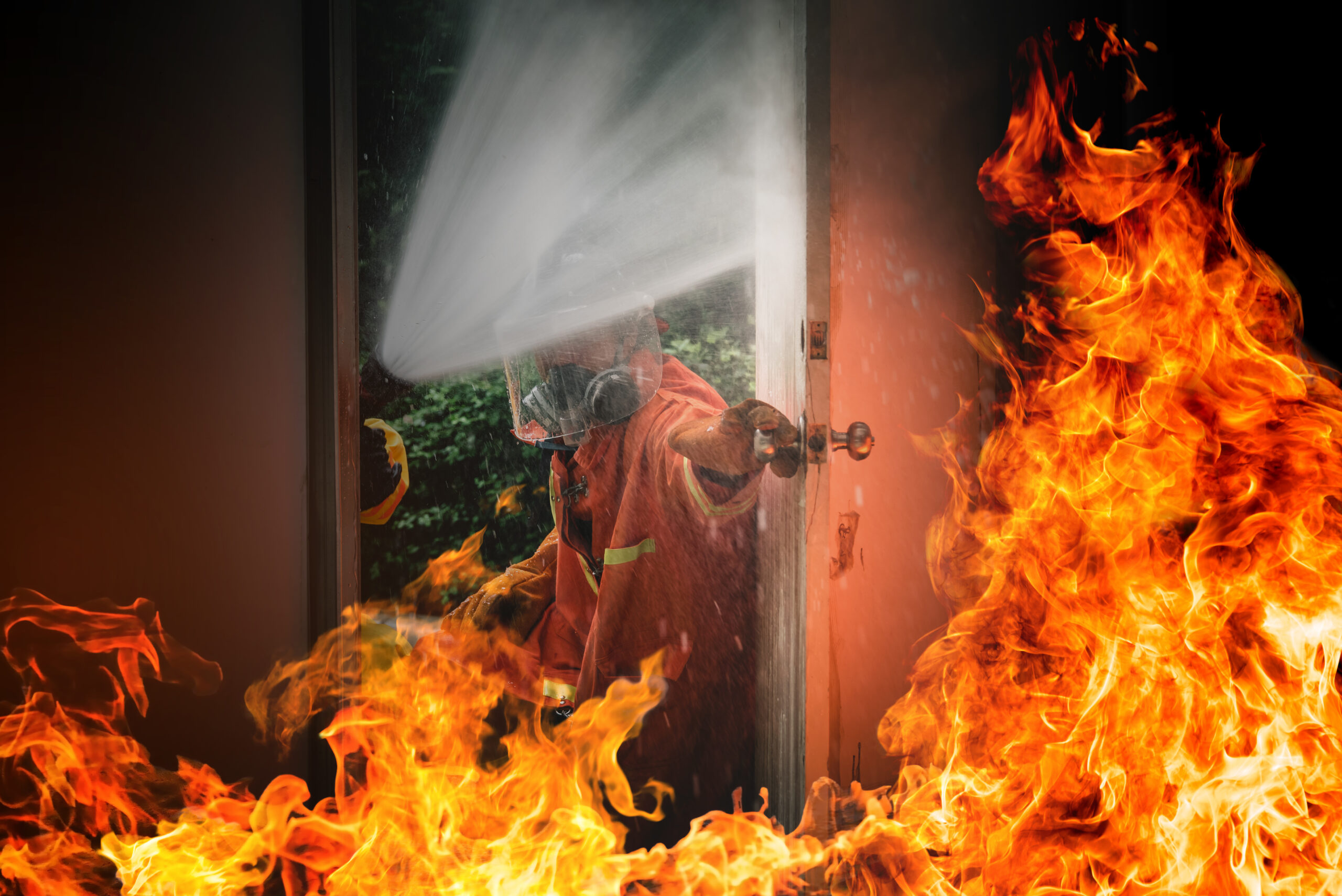
Ghana’s skyline is changing fast. Multi-storey apartments in East Legon. Office towers on the Spintex corridor. Schools, hospitals, and malls are going up across Accra, Kumasi, and Takoradi. But as buildings get taller and denser, one question keeps catching developers and facility owners off guard during GNFS inspections: “Where are your fire-rated doors?”
The answer matters more than most people realise. Fire-rated doors in Ghana are no longer a design afterthought or a box you tick on a checklist. Under the Ghana Building Code (GS 1207:2018) and the National Building Regulations (L.I. 1630), compliant fire and safety doors are a legal requirement in most commercial, institutional, and multi-storey residential buildings.
Get them wrong, and you risk failed inspections, delayed occupancy certificates, voided insurance, and, in the worst case, preventable loss of life.
What a Fire-Rated Door Actually Is
A fire-rated door is not just a heavy door. It is a tested system: leaf, frame, seals, hinges, closers, and locks all working together to resist fire and smoke for a defined period, typically 30, 60, or 90 minutes.
That rating means the door gives occupants enough time to evacuate and gives fire services time to respond before flames and toxic smoke spread to other parts of the building.
There are two types you need to know:
Fire-rated compartment doors:
These sit between stairwells, corridors, plant rooms, or fire compartments. Their job is containment.
Fire exit doors:
These sit on escape routes and final exits. They must open instantly from the inside, usually with a panic bar, without a key, even under panic conditions.
Both are critical. Neither replaces the other.
What the Building Code of Ghana Requires
The Ghana Building Code and older National Building Regulations set minimum fire-resistance periods for doors in escape routes, compartment walls, and around high-risk service areas. The specific rating your project needs depends on building height, occupancy type, and how your architect has designed the compartmentation.
Key principles the code enforces:
Doors on escape routes must swing in the direction of travel.
They must be self-closing, so they are never propped open in an emergency.
Hardware must function at high temperatures without failing.
Your GNFS fire certificate inspection will check all of this. Blocked exits, wrong door swing directions, missing self-closers, and uncertified products are common reasons projects fail inspections or face enforcement notices.
Always confirm your project-specific requirements with a qualified architect, fire consultant, and GNFS directly.
Where Fire-Rated Doors in Ghana Are Typically Required
Use this as a starting reference for your building type:
| Building Zone | Typical Requirement |
| Staircase enclosures | FD30 or FD60, depending on building height |
| Generator and plant rooms | FD60 minimum in most cases |
| Electrical risers and service shafts | Fire-rated door set |
| Basement access points | FD60 or higher |
| Corridor-to-stair lobby doors | FD30 with self-closer |
| Mall, hospital, and school escape exits | Fire exit doors with panic hardware |
Features That Make a Door Genuinely Compliant
A certified fire door is only compliant when every component is correct:
- The door leaf must have a tested fire-resistant core, steel, composite, or specialist timber.
- Intumescent seals expand when exposed to heat, blocking smoke and flames at the door edges.
- Self-closing mechanisms must function every single time, without being defeated by a wedge or prop.
- Hinges, locks, and panic hardware must carry temperature ratings that match the door’s fire rating.
- Correct installation preserves the rating. Modifying the door on site, changing hardware, or cutting corners during fitting can invalidate the test certification entirely.
Working With the Right Partner From the Start
At Doors Locks and More, we work with architects, developers, and project managers across Ghana to integrate fire-rated and safety doors into coordinated door packages. That means your building looks cohesive while staying fully compliant; fire doors, security doors, and interior doors specified together, manufactured locally, and professionally installed by trained teams.
We support door schedules, advise on ratings and hardware, and provide installation that preserves certification.
Ready to review your project’s fire-door requirements? Book a consultation with Doors Locks and More and request a coordinated door schedule and quote covering fire-rated doors, fire exit doors, and the full security package your building needs.
Key Takeaways:
- Fire-rated doors in Ghana are a legal requirement under GS 1207:2018 and L.I. 1630, not an optional upgrade.
- Fire-rated compartment doors contain fire; fire exit doors enable safe evacuation. Both are required.
- Compliance depends on the whole system: correct rating, certified hardware, proper installation, and self-closing function.
- Failed GNFS inspections often trace back to wrong doors, wrong hardware, or poor installation.
- A local manufacturer-installer like Doors Locks and More helps you specify, supply, and fit the right doors from the start.
People Also Ask
Q: Where are fire-rated doors required in Ghanaian buildings?
A: Staircase enclosures, plant and generator rooms, service shafts, basement access points, and escape route exits in commercial, institutional, and multi-storey residential buildings.
Q: What is the difference between a fire-rated door and a normal door?
A: A fire-rated door is a tested system, including the frame and hardware, certified to resist fire and smoke for 30, 60, or 90 minutes. A normal door has no such certification and will fail quickly in a fire.
Q: Do all emergency exits need fire exit doors in Ghana?
A: Most escape route exits in commercial and institutional buildings require doors that open easily from inside without a key. Many also require a fire rating depending on their position in the building. Confirm specifics with your architect and GNFS.
Q: Which code regulates fire-rated doors in Ghana?
A: The Ghana Building Code (GS 1207:2018) and the National Building Regulations (L.I. 1630) are the primary references. GNFS fire certificate inspections enforce these requirements on-site.
Q: Can I retrofit fire-rated doors in an existing building to pass GNFS inspections?
A: Yes. Existing buildings can be upgraded with compliant fire-rated and fire exit doors. The key is using certified door sets installed correctly by trained teams. Contact Doors Locks and More for a site assessment and quote.


